
Early Admission Deadline: January 14, 2027
Final Admission Deadline: March 11, 2027
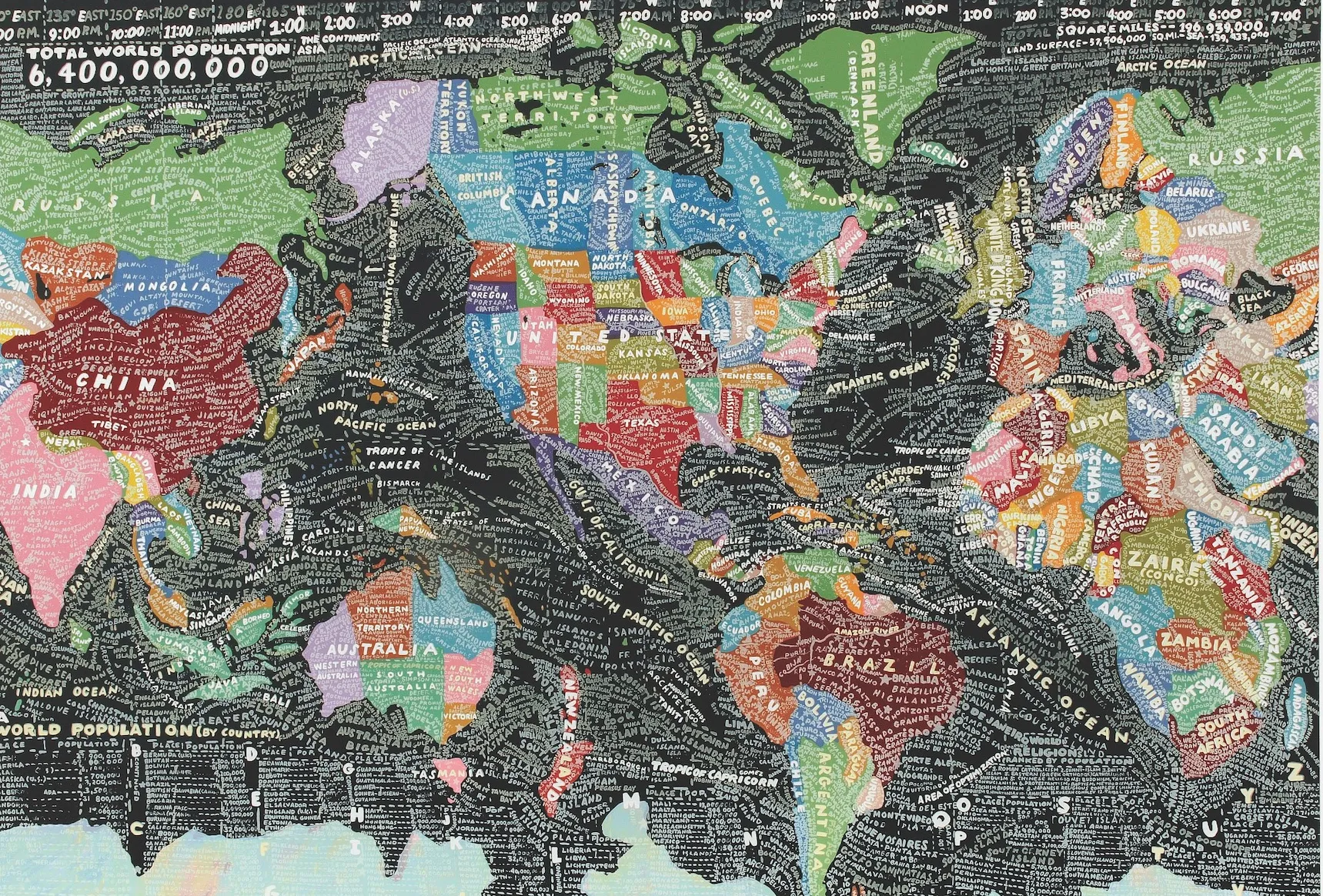
Most graduate study in history stays confined by national and regional borders. This program trains historians to transcend them.
Students earn two Master's degrees - an MA from Columbia University and an MSc from the London School of Economics. Graduates go on to careers in government, journalism, think tanks, NGOs, and academia.
Learn More


The Dissertation
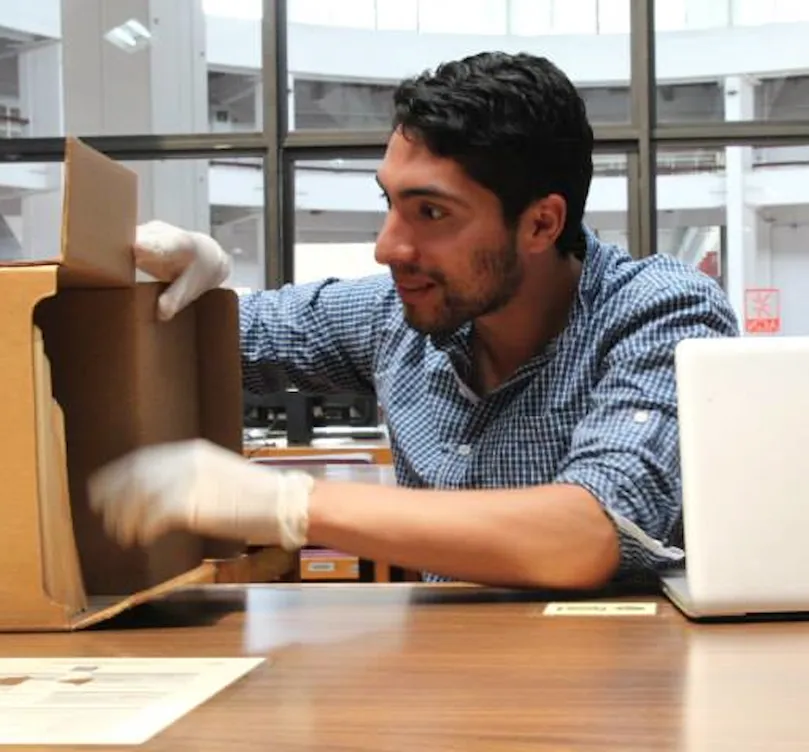
The dissertation is the single most important component of the dual degree, and for many students it is also the most rewarding. The program is structured to ensure that students have adequate time and access to funding so that they may take on unique and ambitious projects. MA/MSc students have the ability to work with faculty from both institutions, as well as considerable freedom in their choice of topic and methodology. Upon graduation, many students go on to publish their dissertations.
View all past dissertations
Sample Courses
Here are a selection of courses offered at Columbia and the London School of Economics.

This course will argue for a broader spatial history of empire by looking at sites such as "frontiers" and "borderlands" in a theoretical and comparative perspective.
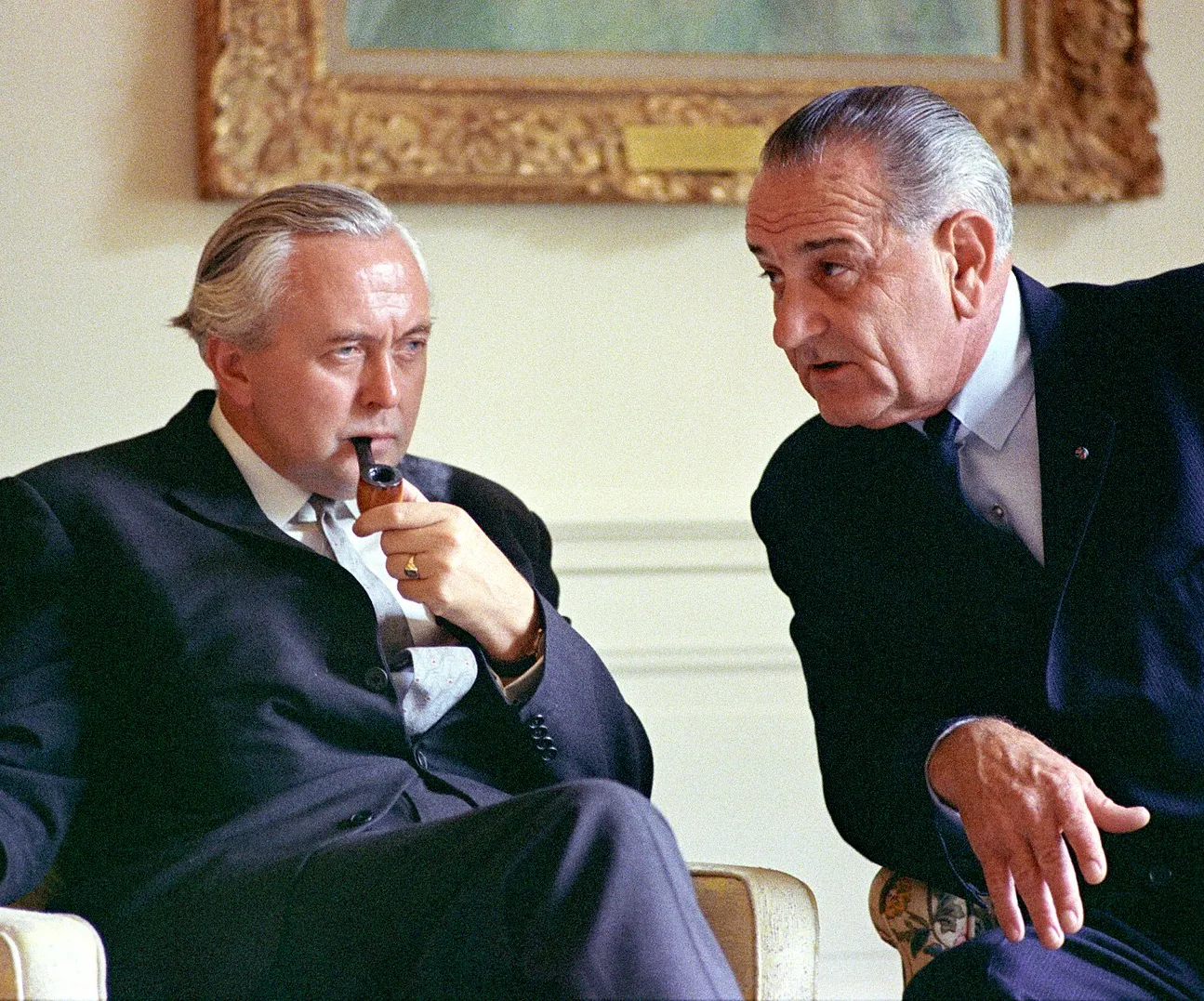
This course analyses the changing nature of the Anglo-American "special" relationship from its creation against the backdrop of the Second World War in Europe through to the end of the Cold War.

The course introduces the major works in the history of computing and information technologies, with particular attention to transformative methodologically important texts. Students will be likewise introduced to major current works in the history of technology and media studies. The course along the way provides an outline of the development of computing from the late nineteenth century.

This course examines the nature of colonial rule in Africa and its impact. It is focused upon the violence inherent in this encounter, its different forms and origins. It is essentially a political history but includes cultural, social and economic aspects.
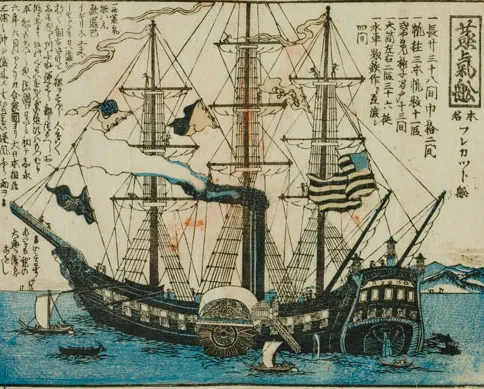
The course looks at the origins and the political, strategic, economic and cultural consequences of the arrival of Western imperialism in East Asia.
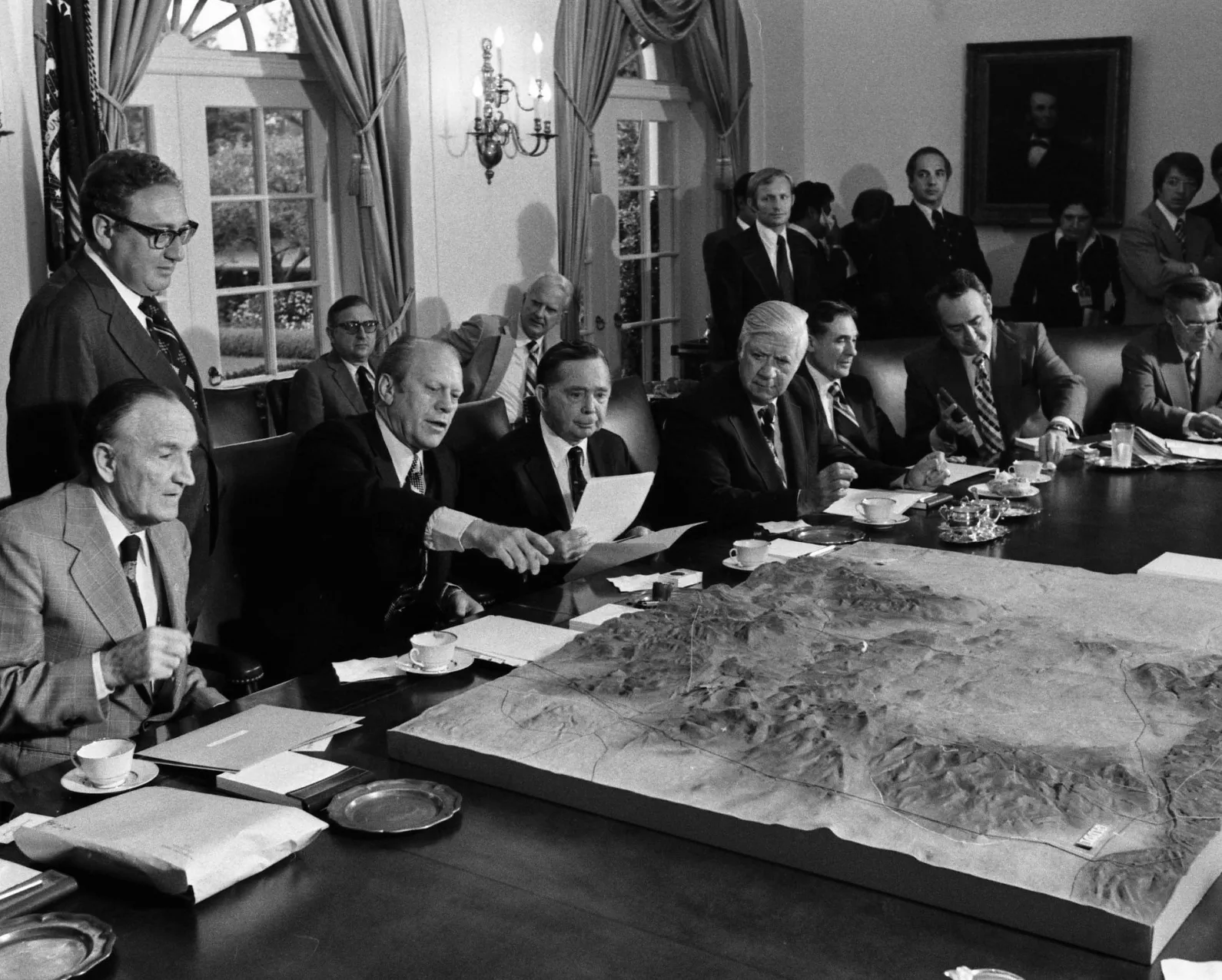
This course will look at power policies in the Middle East until 1917, and attempt to see which constants carried over to the Soviet period and the Cold War. It will also examine the degree to which the U.S. simply stepped into the shoes of Britain in the Middle East, beginning in 1947. Much of the course will concentrate on the strategic weight attached to the Middle East by great power rivals, and the nature of their interaction with each other and with internal regional dynamics.
Alumni Spotlight
Graduates of the MA/MSc go on to successful careers in academia, government and civil service, non-profit organizations, journalism, finance, and more.